
The Current Landscape of Lampung's Economy
The province of Lampung, located on the southern tip of Sumatra, is undergoing significant changes in its economic landscape as we approach 2026. With its rich natural resources and strategic location, Lampung is poised for growth in several sectors. The government's recent initiatives aim to foster economic diversification and sustainability, reflecting a shift in focus from traditional agriculture to manufacturing and exports. This transformation is critical, especially in the context of global market pressures and local development goals. As businesses and the government work hand-in-hand to address these changes, lornematthews.com provides comprehensive insights into the evolving economic framework.
Overview of Key Industries in 2026
Key industries in Lampung include agriculture, tourism, manufacturing, and forestry. The agricultural sector, particularly the cultivation of coffee, pepper, and palm oil, remains a backbone of the local economy. However, the emphasis is also shifting towards the manufacturing of furniture and automotive components, which are expected to gain momentum as global demand shifts.
- Agriculture: Lampung is known for its agricultural output, particularly in coffee and rubber.
- Manufacturing: The furniture and automotive sectors are set for significant expansion, driven by governmental incentives.
- Tourism: Increasingly, the province is positioning itself as a destination for eco-tourism and cultural experiences.
Impact of Global Markets on Local Exports
The global market significantly impacts Lampung’s exports, with the ongoing shifts in supply chains due to geopolitical tensions and economic realignments. The government's focus on reducing dependency on traditional markets, particularly the United States, is a strategic move that allows local industries to explore new international opportunities. Exporters are encouraged to seek alternative markets in Asia and Europe while enhancing the quality of their products to meet global standards.
Challenges Facing Lampung’s Economic Growth
Despite the optimistic outlook, Lampung faces several challenges. Infrastructure development remains inconsistent, affecting supply chains and logistics. Additionally, the local workforce requires skills enhancement to meet the demands of new industries. The government is aware of these issues and is actively working on policies to address them, ensuring a balanced approach to economic development.
Strategic Expansion in the Furniture Sector
The furniture industry in Indonesia, and particularly in Lampung, is on the brink of a transformation as the government's initiatives aim to boost exports. Regulatory support, financial incentives, and skill development programs are at the forefront of this strategy, enabling local manufacturers to enhance their competitiveness in international markets.
Government Initiatives to Boost Exports
The Indonesian government has introduced initiatives aimed at reducing trade barriers for furniture exports. This includes simplifying export regulations and providing financial support to local manufacturers. By fostering an environment conducive to growth, the government seeks to enhance the visibility of Indonesian furniture on the global stage.
Market Diversification Beyond the US
With the aim of reducing dependence on the US market, local manufacturers are also exploring markets in Europe and Asia. Participating in international trade fairs and establishing partnerships with overseas distributors are pivotal strategies in this market diversification effort.
Innovative Practices in Craftsmanship
Innovation in craftsmanship is essential for the furniture sector's growth. Many local artisans are embracing modern techniques alongside traditional practices to improve product quality and design. The use of sustainable materials is also gaining traction, appealing to environmentally conscious consumers worldwide.
Community Engagement and Cultural Events
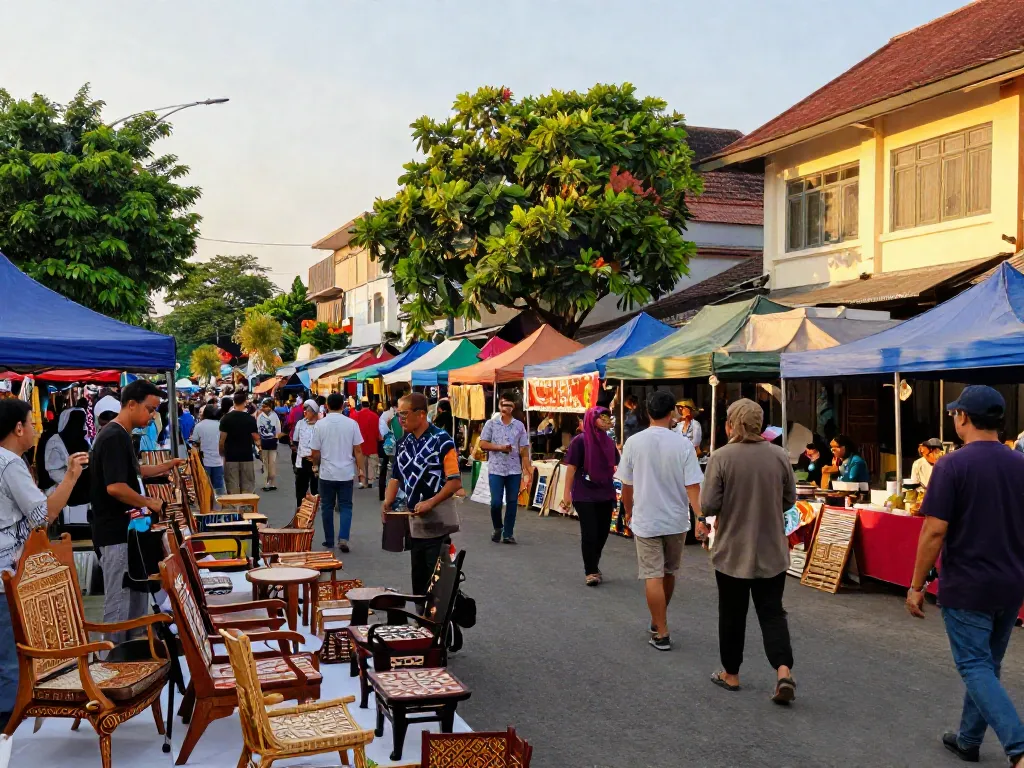
Community involvement is essential in driving economic growth and fostering local identity. Events like Siger Fest have been instrumental in promoting Lampung's culture while supporting local businesses. These gatherings not only highlight the rich heritage of Lampung but also serve as a platform for local artisans and entrepreneurs to showcase their products.
The Role of Siger Fest in Promoting Lampung
Siger Fest is more than just a festival; it is a celebration of Lampung's cultural identity. Featuring traditional music, dance, and culinary experiences, this event attracts both local and international visitors, boosting tourism and local economies. It serves as a vital link between culture and commerce.
Integrating Local Culture into Business Strategies
Businesses in Lampung are increasingly integrating local culture into their marketing strategies. By emphasizing cultural elements in product design and branding, companies can differentiate themselves in a crowded market, appealing to both domestic and international consumers.
Building Relationships with Local Artisans
Collaboration between businesses and local artisans is a key factor in sustaining cultural heritage while promoting economic growth. By investing in local talent, companies can ensure the survival of traditional crafts while benefiting from unique product offerings that resonate with consumers.
Environmental Considerations and Sustainable Practices
Sustainability is becoming a central theme in Lampung's economic development strategy. As the province seeks to bolster its manufacturing capabilities, there is also a growing awareness of the need to protect its natural resources and promote environmentally friendly practices.
Reducing the Footprint of Local Manufacturing
Local manufacturers are adopting eco-friendly practices, such as utilizing sustainable materials and reducing waste in production processes. These changes not only help the environment but also appeal to the growing market of consumers who prioritize sustainability in their purchasing decisions.
Protecting Lampung’s Natural Resources
Efforts to protect Lampung's natural resources are crucial for long-term sustainability. The government, in collaboration with environmental organizations, is implementing policies aimed at conserving biodiversity and promoting responsible land use.
Collaboration with Environmental Organizations
Partnerships with environmental organizations help businesses in Lampung adopt best practices for sustainability. These collaborations not only provide access to resources and knowledge but also enhance the credibility of local brands focused on sustainable manufacturing.
Future Trends and Predictions for 2030
Looking ahead to 2030, several trends appear poised to shape the economic landscape of Lampung. From technological advancements in manufacturing to emerging tourism opportunities, the potential for growth is immense.
Technological Advancements in Local Industries
The integration of technology in manufacturing processes is expected to increase efficiency and product quality. Automation and smart technologies are becoming more prevalent, enabling local businesses to compete on a global scale.
Emerging Tourism Trends in Lampung
Tourism in Lampung is expected to evolve with a shift towards eco-tourism and adventure travel. The diverse landscapes, including national parks and coastal areas, provide ample opportunities for unique experiences that can attract visitors seeking more than just traditional tourist attractions.
Predictions for Economic Growth and Development
With strategic investments and policy support, Lampung is on track for robust economic growth by 2030. The continued emphasis on diversification, sustainability, and community engagement will likely lead to enhanced resilience against global market fluctuations.