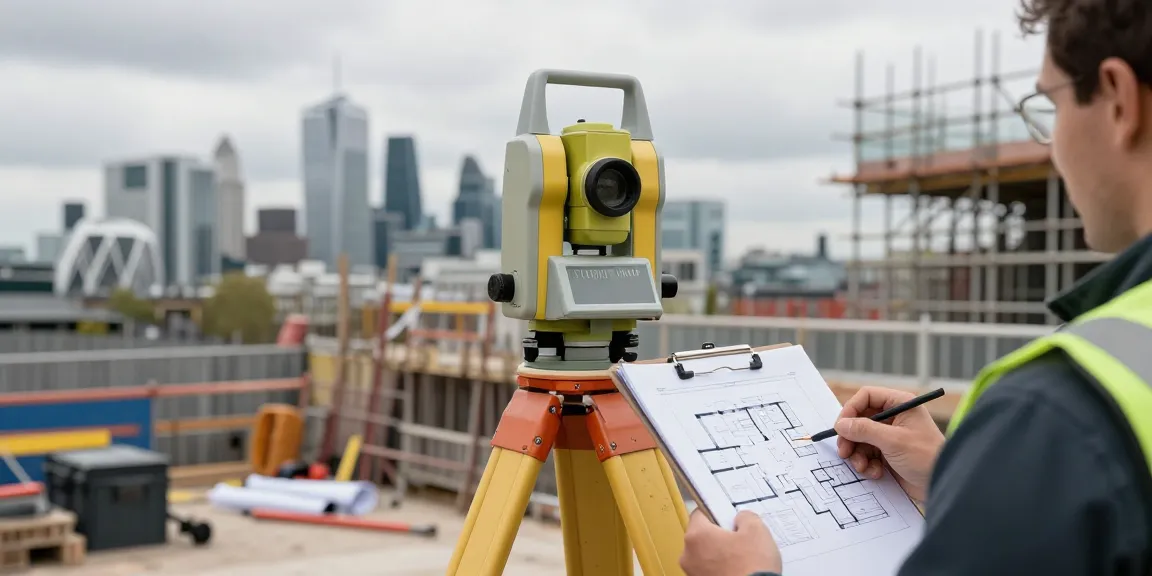
Understanding Measured Building Surveys
Measured building surveys are a fundamental aspect of the construction industry, providing critical data that informs planning and development. In a bustling metropolis like London, where each building tells a distinct story and requires precise measurements for renovation or new construction, the importance of these surveys cannot be overstated. They facilitate a clear understanding of existing structures, thus enabling architects, engineers, and developers to make informed decisions. When exploring options, measured building surveys uk provide comprehensive insights tailored to diverse project needs, ensuring every detail is accounted for.
What are Measured Building Surveys?
Measured building surveys involve the systematic collection of data concerning a building’s dimensions and layout. This process typically includes capturing the height, width, and depth of different structures within the building, as well as creating highly accurate representations such as floor plans, elevations, and sections. Using advanced techniques and equipment, surveyors can create a digital model of the building, which serves as a vital reference for any construction or renovation work.
At its core, a measured building survey offers essential baseline data that can be utilised for various purposes, from architectural design to compliance with local regulations. By employing specialist tools such as laser scanning, surveyors can achieve measurements with exceptional accuracy, reducing the risk of costly mistakes during the construction process.
The Importance of Accurate Measurements
The accuracy of measurements in a building survey is paramount. Inaccurate data can lead to serious implications, from design flaws to regulatory non-compliance, which can incur significant financial losses. Accurate measurements ensure that every aspect of a project aligns with the architectural vision and meets safety standards. Additionally, precise data aids in seamless communication between stakeholders throughout the project lifecycle.
Key Types of Surveys Available
- Topographical Surveys: These surveys focus on the terrain and landscape surrounding a property, providing data on elevation changes, natural features, and man-made structures.
- Measured Floor Plans: A detailed outline of a building’s layout, illustrating room dimensions, fixtures, and the relationship between spaces.
- Building Elevations: Graphical representations of the exterior surfaces of a building, showing height, materials, and architectural details.
- 3D Laser Scanning: Utilising laser technology to capture precise spatial data, creating a comprehensive 3D model of the structure.
Benefits of Measured Building Surveys in Construction
Enhanced Planning and Development Processes
Measured building surveys significantly enhance the planning and development processes by providing essential information that helps stakeholders visualise the project. Accurate data allows architects and engineers to design more efficiently, ensuring that proposed plans align with actual space and structural conditions. This not only improves design outcomes but also streamlines the approval process with local authorities.
Compliance with Legal and Regulatory Requirements
In the UK, numerous legal and regulatory requirements govern construction and renovation projects. Measured building surveys provide the critical data necessary for compliance with building regulations, planning permissions, and safety standards. This compliance is essential to avoid potential legal repercussions and financial penalties, making the role of measured surveys indispensable in the construction process.
Cost Savings Through Precision
Investing in accurate measured building surveys can lead to significant cost savings in the long run. By identifying potential issues early, stakeholders can mitigate risks and avoid expensive errors during the construction phase. Furthermore, having precise measurements helps in resource allocation and management, preventing wastage and ensuring that budgets remain intact.
Choosing the Right Surveying Service
Factors to Consider in a Surveying Company
When selecting a surveying company for measured building surveys, several factors should be considered. Experience in the industry is crucial; companies with a solid track record are more likely to deliver high-quality results. Moreover, reviewing past projects can provide insights into the company’s capability and reliability. It’s also essential to consider whether the company uses the latest surveying technology, as advanced equipment often results in higher accuracy.
Questions to Ask Your Surveyor
Before committing to a surveying service, it’s prudent to ask relevant questions that can help gauge the company’s expertise and reliability. Key inquiries might include:
- What surveying methods do you employ?
- Can you provide references from past clients?
- How do you ensure accuracy in your measurements?
- What is your typical turnaround time for a survey?
Understanding Surveying Technology and Techniques
The field of surveying technology is continually evolving, with new tools and techniques being developed to enhance accuracy and efficiency. Modern surveyors frequently use laser scanning and drone technology to capture intricate details and create comprehensive 3D models of structures. An understanding of these technologies will help clients choose a surveying service that aligns with their specific project needs.
Common Challenges in Measured Building Surveys
Dealing with Complex Building Structures
One of the primary challenges faced by measured building surveyors is dealing with complex building structures. Historical buildings, for instance, may have irregular shapes and incorporate numerous architectural features that complicate the surveying process. Surveyors must have the skills and experience to navigate these complexities and deliver precise measurements.
Addressing Client Expectations and Misconceptions
Clients may sometimes have unrealistic expectations regarding timelines and costs for surveys. Clear communication is vital to managing these expectations effectively. It’s essential for surveyors to educate clients on the processes involved and the factors that can influence the time and cost of the survey. By addressing misconceptions upfront, surveyors can foster a better working relationship and ensure high client satisfaction.
Managing Data Accuracy and Reporting
Maintaining data accuracy throughout the surveying process is crucial for producing reliable reports. Surveyors must employ rigorous quality control measures to verify that measurements are correct and that data is presented clearly. Effective reporting is not only about presenting numbers but also about conveying findings in a way that is understandable for clients and other stakeholders.
The Future of Measured Building Surveys in 2026
Emerging Technologies and Trends
As we look towards 2026, the measured building surveying industry is likely to evolve further with advancements in technology. The increasing use of artificial intelligence (AI) in processing and analyzing data, along with improvements in software for modeling structures, will enhance the accuracy and efficiency of surveys. Additionally, the integration of virtual reality (VR) into surveying practices could revolutionise how clients experience the data collected.
Skills and Training for Modern Surveyors
The future workforce of surveyors will require a blend of traditional surveying skills and modern technological proficiency. Training programs will need to adapt by placing an emphasis on emerging technologies, data analysis, and client relations. Surveyors who embrace continuous learning and skill enhancement will be best positioned to thrive in this evolving landscape.
Predictions for Industry Evolution
In the coming years, the measured building survey industry may see a shift towards more collaborative practices, with greater emphasis on interdisciplinary teamwork. Collaborative platforms could facilitate smoother communication between surveyors, architects, and engineers, leading to improved project outcomes. Furthermore, as sustainability becomes a priority in construction, surveyors will play a pivotal role in collecting data that aids in designing eco-friendly buildings.
What is the process of a measured building survey?
The process typically begins with an initial consultation, where surveyors assess the project’s requirements. This is followed by the actual survey, where various measurements and data are collected. Once the survey is completed, the data is processed and compiled into a comprehensive report, detailing the findings and recommendations.
How can measured building surveys benefit residential projects?
For residential projects, measured building surveys provide vital information that can enhance design and renovation efforts. They help homeowners visualise their spaces better and work with architects to create functional designs that maximise available space.
What technologies are used in modern surveying?
Modern surveying employs a variety of technologies, including total stations, GPS, and 3D laser scanning, to capture precise measurements and create accurate models. These tools have drastically improved the speed and reliability of surveys compared to traditional methods.
How long does a measured building survey take to complete?
The duration of a measured building survey can vary based on the building size and complexity. Typically, smaller residential surveys may take a few days, while larger commercial or intricate properties can take several weeks. It’s essential to discuss timelines with your chosen surveyor at the outset to set realistic expectations.
What should I look for in a measured building survey report?
A high-quality measured building survey report should include clear and accurate drawings, comprehensive measurements, and well-articulated findings. It should also offer insights into any potential issues identified during the survey and recommendations for addressing them.